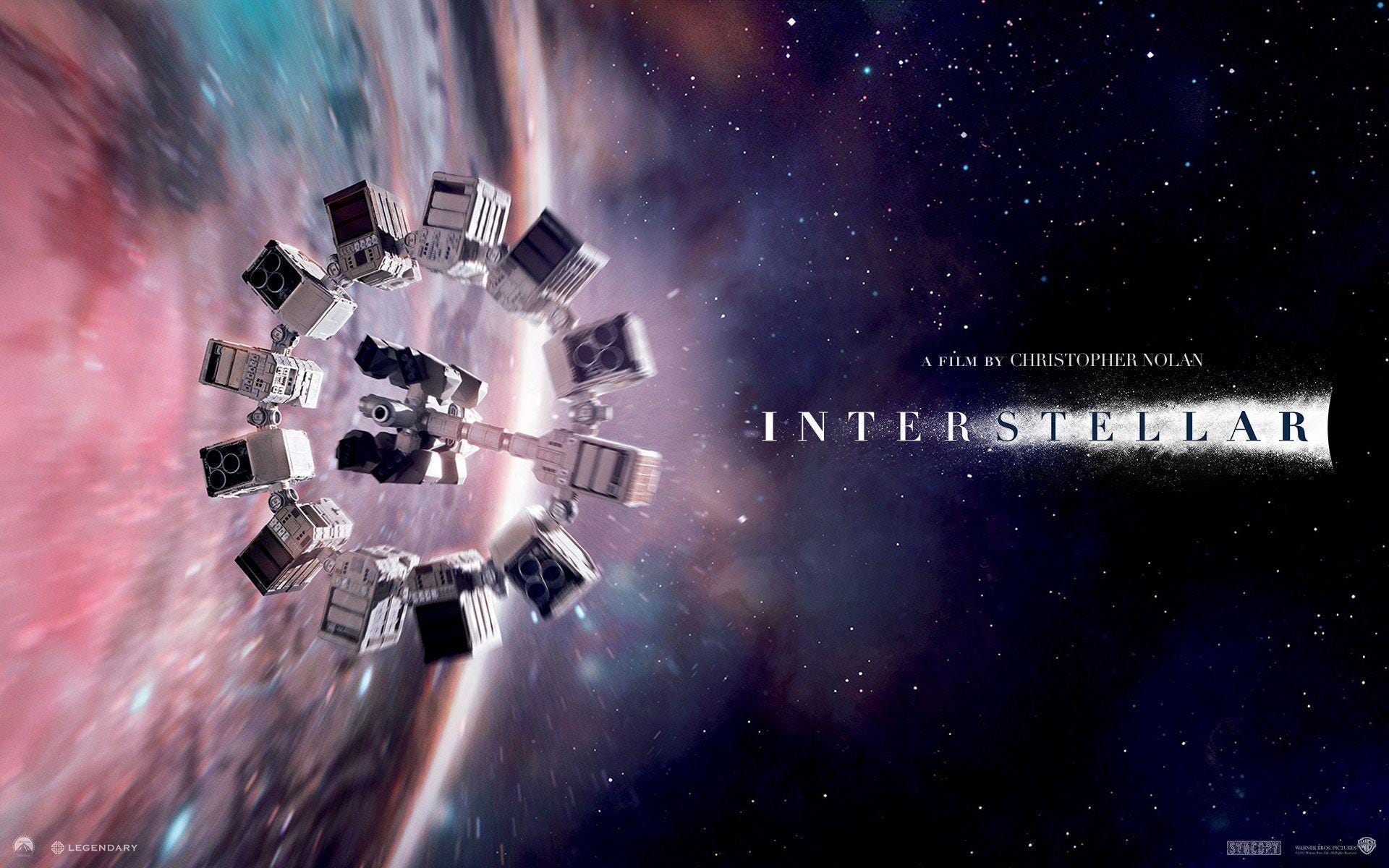
The Black Hole in My Mind
This film holds a singular significance for me.
My journey into sci-fi enlightenment was an interesting one: it started with Tron: Legacy, followed by Transformers, and then led to Interstellar. In a way, this progression defined the triad of elements I often weave into my own stories: cyberspace, robots, and the cosmos.
I hold Interstellar in particularly high regard because I witnessed its impact firsthand. I saw peers, who previously cared little for science, suddenly develop a yearning for the universe, relativity, and black holes. Can you imagine? Almost overnight, it seemed every high schooler was carrying a copy of A Brief History of Time, Relativity, or The Universe in a Nutshell.
It’s hard to imagine any medium other than cinema possessing such immense rallying power. It turned dry, boring formulas on blackboards into keys unlocking the stars. I imagine physics teachers that year were waking up from their dreams laughing.
Later, when reading Cixin Liu and other authors recount their own paths to sci-fi, they always mentioned how 2001: A Space Odyssey influenced them. By analogy, I believe Interstellar is our generation's "2001: A Space Odyssey."
This year marks the 10th anniversary of Interstellar, and it was my third time seeing it in a theater. It’s not hard to spot the narrative flaws in the third act, but I cannot separate my critique from my nostalgia. So, be warned: this review is heavily colored by emotion.
When Nolan Talks About Love, What Is He Talking About?
Christopher Nolan is notorious for his inability to write romance. People often joke that his male protagonists are always motivated by a "dead wife"—a trope so overused it has become a default background setting in his stories. Unfortunately, even in Interstellar, his most emotionally resonant film, Cooper is still a man who lost his wife.
But this doesn't stop Nolan from hiding the softest of hearts beneath a cold, hard sci-fi shell.
Many criticize Brand’s (Anne Hathaway) monologue about "love" on the spaceship, calling it the most unscientific, mystical moment of the film. As a STEM student, I cringed the first time I heard it, too. But when you understand five-dimensional space, and you understand that gravity can traverse time and space, you suddenly realize: If gravity can cross dimensions, why can't love?
In this movie, love is no longer just ephemeral dopamine. Nolan concretizes it into a physical quantity—a force that, like a gravitational wave, can cross millions of light-years, penetrate event horizons, and accurately strike a girl behind a bookshelf. That "ghost" was no one else; it was the father's obsession transcending time.
It was this obsession, transcending dimensions, that finally allowed a father—still young—to stand before his daughter, who had reached the end of her life. In that moment, the ticking of the watch was no longer just counting time; it was a promise that had spanned the ages, finally fulfilled.
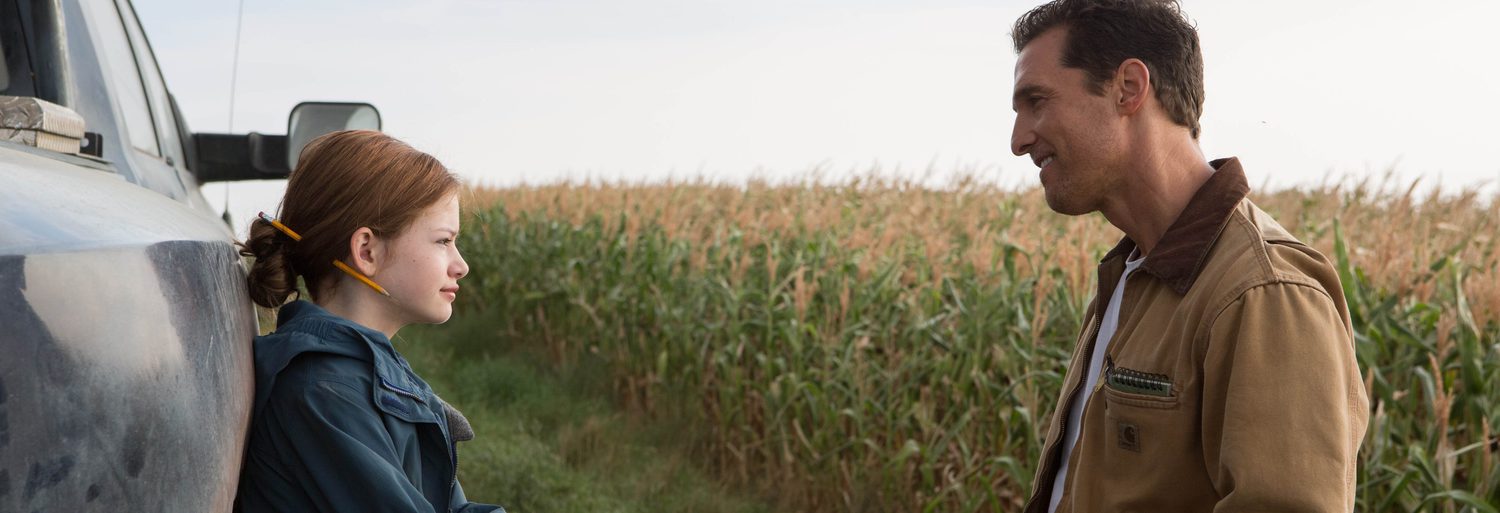 father and daughter
Space: The Final Frontier
Time. It is the concept Nolan loves to play with the most. In Interstellar, this concept merges perfectly with real physical laws. The most moving segments of the film all stem from the ruthlessness of time.
Remember Miller's Planet? That world of monstrous waves. In Hans Zimmer's score, there is a ticking sound like a second hand every second. Someone calculated that every second there equals a whole day on Earth.
When Cooper’s team returns to the ship, exhausted after a delay of just a few hours, the crewmate left behind, Romilly, has aged twenty-three years. Even more heartbreaking is the video archive accumulated over those twenty-three years. On the screen, Cooper’s son goes from a high school graduate to a father, to a grieving parent, and finally, to a man who gives up waiting. Decades of joy and sorrow are fast-forwarded into a few minutes in the father's eyes.
Matthew McConaughey delivers an Oscar-worthy performance in that scene. What is he crying for? Not just for the missed companionship, but from a visceral experience of the cruelest side of relativity—the universe merely blinked at him, but his human world had already turned to dust.
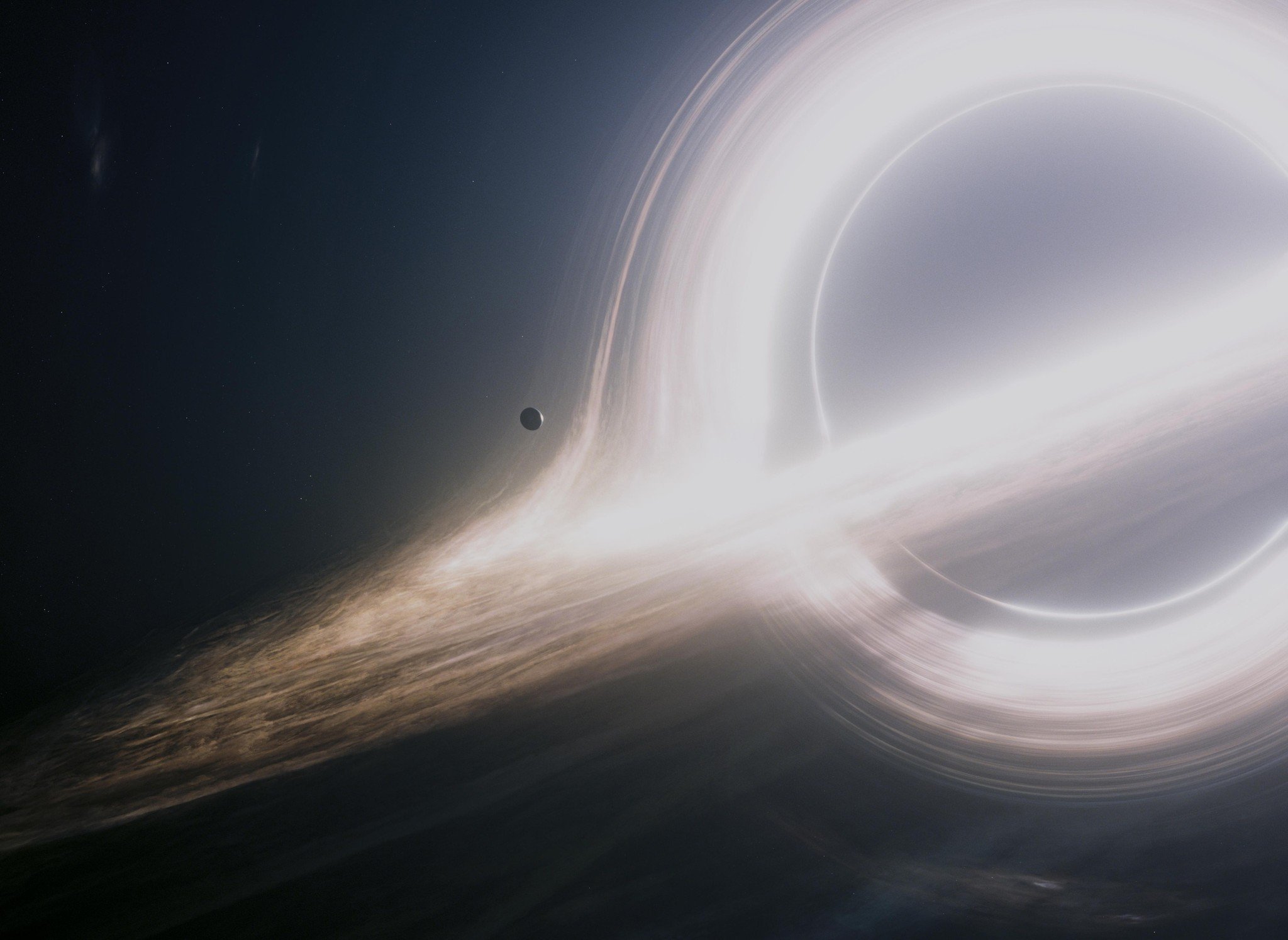 gargantua
This story always reminds me of the final two episodes of the Japanese OVA Gunbuster. In Gunbuster, the protagonists travel into deep space to save Earth. When they return, due to time dilation, centuries have passed. They don't know if humanity, or even life, still exists. However, as they approach Earth, lights suddenly illuminate the dark planet.
It turns out that while time ruthlessly stretched the distance to tens of thousands of years, human memory did not fade. When those lights spelled out "WELCOME HOME" (OKAERINASAI) across the globe, the cruelty of relativity and the warmth of humanity reached a miraculous reconciliation. Like Cooper's tears, this is the ultimate romance of science fiction.
90%
It’s strange. This is the line I remember most vividly. Upon rewatching, I said it almost in unison with Matthew McConaughey to Anne Hathaway: "90%." The sequence is etched in my mind: Dr. Mann's betrayal, the docking, the sacrifice, the plunge into the black hole—climax after climax.
The line is mesmerizing because it is a callback that spans the entire movie. At the beginning, Cooper asks the robot TARS what his honesty setting is. TARS says 90%, because for emotional creatures like humans, absolute honesty often means pain. Cooper laughs and says, "Okay, 90% then."
At the very end, near the accretion disk of Gargantua, Cooper decides to sacrifice himself, detaching his ship to provide the necessary thrust to send Brand to the third planet. When Brand panics and shouts, "You said we had enough resources for both of us!" Cooper calmly replies: "We agreed, Amelia. 90 percent."
In that moment, machine logic became the final human tenderness. He used a lie to ensure her survival.
Since we are talking about TARS, I have to talk about the two robots that stole the show—TARS and CASE.
In traditional sci-fi, robots are either clumsy tin men like C-3PO or terrifying androids like in The Terminator. But Nolan boldly removed all "humanoid" features, paying homage to the Monolith in 2001: A Space Odyssey by designing them as simple, black rectangular slabs.
At first, you wonder how these things move. Then, they split and rotate like a Swiss Army knife, or sprint through water like a cartwheel. The violent aesthetic of that mechanical design is breathtaking.
Even more interesting is their software. Nolan gave them adjustable parameters for "Humor" and "Honesty." This incredibly "Programmer Friendly" setting gave souls to these cold blocks of metal. TARS jokes about "self-destruct sequences" before launch and adjusts his humor level when Cooper is stressed.
This absolute, rational loyalty forms an ironic contrast with the unpredictability of humans.
When TARS unhesitatingly volunteers to plunge into the black hole to collect singularity data, Dr. Mann—the representative of Earth's elite, the "best of us"—attempts to kill his rescuer to survive a doomed fate.
This is Nolan's brilliance: in a film celebrating the spirit of exploration, the machine possesses the divine spark of humanity, while the greatest villain is not an alien, nor a black hole, but the primal, ugly survival instinct of a human stripped of civilization's veneer.
Verdict
Ten years ago, a middle school boy bought a midnight movie ticket. He went to the theater alone, unaware that the next two and a half hours would ignite a universe within him. This passion would accompany him like a higher-dimensional ghost, guiding him through his quiet yet turbulent adolescence.
In countless afternoons talking by the surging river, and countless nights scribbling on draft paper, he sought, he wandered, he struggled. At those times, he would always remember the silver, intoxicated faces illuminated by the screen in that dark theater—the most beautiful scenery in the world. He would remember flipping through film magazines in the school library, trying to understand how the world behind that screen worked.
Ideals are like black holes: they attract us, yet we can never truly get close. But time always passes slower near a black hole, just as ideals keep us young.
Thank you, Nolan. And thank you to every twist of fate that let me meet this film.
我脑中的黑洞
这是一部对我来讲意义非凡的电影。
我的科幻启蒙之路很有趣,最开始是《创:战记》(Tron: Legacy),接着是《变形金刚》,然后就是这部《星际穿越》。某种程度上,这决定了我常常喜欢在故事里加入的三个元素:赛博空间,机器人,和宇宙。
而我对《星际穿越》的评价尤其高,因为据我观察,我身边不少同龄人,都是因为这一部电影,突然对宇宙、相对论、黑洞等等物理学概念心生向往。你能想象吗,一夜之间,一群中学生几乎人手一本《时间简史》《相对论》《果壳里的宇宙》。很难想象除了电影,还能有什么媒介拥有如此巨大的号召力。它让黑板上那些原本枯燥乏味的公式,突然变成了通往群星的钥匙。我想那一年的物理老师们,大概做梦都会笑醒吧。
后来在读刘慈欣,以及其他许多作者回忆自己的科幻创作之路时,他们总是提到《2001:太空漫游》如何如何影响他们。我想,类比一下,《星际穿越》可以说是我们这一代人的《2001:太空漫游》。
今年是《星际穿越》的十周年,也是我第三次去电影院看这部电影。不难发现它在故事后期还是有不少问题,但我也很难抛开我对她的情怀不谈。所以这期影评,将会带有很强烈的感情色彩。
当诺兰谈论爱的时候,他在谈论什么?
诺兰是出了名的不会写感情戏的导演。人们常常调侃他的男主角总是通过“死老婆”来作为人物动机,过于滥用以至于已经成为了故事的默认背景设定。很不幸,即使是情感戏最动人的《星际穿越》里,男主人公库伯依然还是死了老婆。
但这并不妨碍他在冰冷的硬科幻外壳下,藏了一颗最柔软的心。
很多人诟病安妮·海瑟薇(Brand)在飞船上那段关于“爱”的独白,认为那是全片最不科学、最神棍的时刻。作为一个理工科学生,我第一次看时也觉得尴尬。但当你理解了五维空间,理解了引力可以穿越时空时,你突然意识到:如果引力可以穿越维度,为什么爱不可以?
在这部电影里,爱不再是虚无缥缈的多巴胺,它被诺兰具象化为一种物理量,一种可以像引力波一样,跨越数亿光年、穿透视界、准确无误地击中书架背后那个女孩的力量。那个“幽灵”不是别人,正是父亲穿越时空的执念。
正是这股超越维度的执念,让这位依旧年轻的父亲,终于站在了已步入生命终点的女儿面前。在那一刻,手表秒针的跳动不再只是计时,而是穿越岁月的承诺。
宇宙,最后的边疆
时间,诺兰最喜欢玩弄的概念。在《星际穿越》里,这个概念和真实的物理学规律完美地融合在了一起。片中令人最动容的桥段无一不来自于时间这个无情的概念。
还记得米勒星球(Miller's Planet)吗?那个充满滔天巨浪的世界。Hans Zimmer 的配乐里,每隔一秒就有一次像秒针走动的声音,后来有人计算过,那里的每一秒,等于地球上的一天。
当库伯一行人因为失误耽误了几个小时,拖着疲惫的身躯回到飞船时,留守的罗米利已经苍老了二十三岁。更让人心碎的是那段积攒了二十三年的视频讯息。屏幕上,库伯的儿子从青涩的高中毕业,到结婚生子,再到痛失爱子,最后放弃等待。几十年的悲欢离合,在父亲眼中不过是短短几分钟的快进。
马修·麦康纳在那场戏里贡献了影帝级的哭戏。他在哭什么?不仅是错过的陪伴,更是对相对论最残酷一面的切身体验——宇宙对他只是眨了眨眼,而他的人间已是沧海桑田。
这段故事总是会让我想起一部日本的OVA动画《飞跃巅峰》的最后两集。在《飞跃巅峰》里,两位主角为了保卫地球,进入了遥远的宇宙空间。当她们返回地球时,由于相对论的作用,已经过去数百年,她们不知道地球上还有没有人类,甚至生命。然而,当她们来到地球时,黑暗的大地上突然亮起了灯光。
原来,时间虽然无情地拉开了数万年的距离,但人类的记忆却没有因此磨灭。当那一排排灯光在地球上拼写出“欢迎回来(OKAERINASAI)”时,相对论的残酷与人类的温情达成了某种奇迹般的和解。这与库伯的眼泪一样,都是科幻史上最极致的浪漫。
90%
很奇怪,这是我记得的最深刻的一句台词,以至于在重看时,我和马修麦康纳几乎是同时对安妮海瑟薇说出了这句台词:“90%”。我对这场戏印象太深了。曼恩博士的叛逃,对接,自我牺牲,进入黑洞,高潮接连不断。
这句台词之所以迷人,是因为它是一个跨越了整部电影的 Call Back。 电影开头,库伯问机器人 TARS 的诚实度设定是多少,TARS 说是 90%,因为对人类这种情绪化生物来说,绝对的诚实往往意味着伤害。库伯当时笑着说:“好吧,那就 90%。”
而到了最后,在卡冈图雅黑洞的吸积盘旁,为了把 Brand 送往第三颗星球,库伯决定自我牺牲,切断自己的飞船来提供反作用力。 当 Brand 惊慌地喊道:“你说过我们的资源足够两个人用的!” 库伯平静地回答:“We agreed, Amelia. 90 percent.”(我们说好的,艾米莉亚。90%。)
那一刻,机器的逻辑变成了人类最后的温柔。他用谎言,成全了她的生存。
既然提到了 TARS,我必须得聊聊这部电影里那两个抢尽风头的机器人——TARS 和 CASE。
在传统的科幻电影里,机器人要么是像 C-3PO 那样笨拙的类人铁皮,要么是《终结者》里那种恐怖的仿生人。但诺兰极其大胆地去掉了所有的“人型”特征,向《2001:太空漫游》中的黑石碑(Monolith)致敬,把它们设计成了简洁的黑色矩形柱体。
起初你会觉得这玩意儿怎么移动?结果当它们像是瑞士军刀一样分裂、旋转,甚至在海水中像风火轮一样极速奔跑时,那种机械设计的暴力美学简直让人叹为观止。
更有趣的是它们的软件设定。诺兰给它们加入了“幽默度”和“诚实度”的可调节参数。这种极其 Programmer Friendly 的设定,让原本冰冷的金属块拥有了灵魂。TARS 会在飞船发射前开玩笑说“自毁程序已启动”,也会在库伯最紧张的时候适时地调节幽默感。
这种绝对理性的忠诚,与人类的不可预测形成了极其讽刺的对比。
当 TARS 毫不犹豫地主动申请跳入黑洞去收集奇点数据时,那个代表着人类精英、被称作“最优秀的人”的曼恩博士,却为了原本已被注定的死局,试图杀死来营救他的同伴。
这恰恰是诺兰的高明之处:在这部歌颂探索精神的电影里,机器拥有了人性中最闪光的神性,而那个最大的反派——不是外星人,也不是黑洞,而是被剥离了文明外衣后,人类最原始的求生本能。
总结
十年前,一个初二的男生购买了一张深夜的电影票。独自前往电影院的他,并不知道,接下来的两个半小时,将会引燃他心中的宇宙。 这份热情,将会像一个高位幽灵一样,伴随他度过他平静又汹涌的青春时光。
在无数个望着涛涛江水谈天说地的午后,无数个稿纸上涂涂画画的夜里,他求索着,迷惘着,苦恼着。 这时他总会想起,那晚电影院里,银幕下映出的一张张银白色的沉醉的面庞,那是世间最美丽的景色。他也总会想起,他在学校图书馆里翻阅《环球银幕》上《星际穿越》的报道,试图理解那个银幕后的世界是如何运转的。
理想如黑洞一般,吸引着人们,但又无法让人靠近。但,黑洞旁的时间总是更加缓慢,正如理想能使人保持年轻。
感谢诺兰,感谢让我遇见这部电影的一切机遇。